
Growing Together: 2026 Alabama Farm to ECE Summit Cultivates Knowledge, Partnerships, and Action
With support from the CDC-funded Healthy Kids, Healthy Future Technical Assistance Program, led by Nemours Children’s Health, in partnership with the Association of State Public Health Nutritionists, Alabama Healthy Kids, Healthy Future hosted the first Alabama Farm to ECE Summit.
On June 13, 2026, the Alabama Farm to ECE Coalition welcomed educators, farmers, food advocates, and community partners from across the state to the 2026 Farm to ECE Summit at Jones Valley Teaching Farm in Birmingham, Alabama.
The summit brought together 84 attendees, including presenters, vendors, and representatives from community organizations. Among those in attendance were 56 educators, farmers, and food advocates who participated in a full day of professional learning designed to strengthen Farm to ECE efforts throughout Alabama.
Hosted in the heart of a working urban farm, participants experienced a day of collaboration, inspiration, and practical learning focused on connecting young children to healthy foods, gardening, local agriculture, and outdoor learning experiences.
Survey respondents represented programs collectively serving more than 4,400 children throughout Alabama, demonstrating the potential for the summit's impact to extend far beyond a single day of learning.
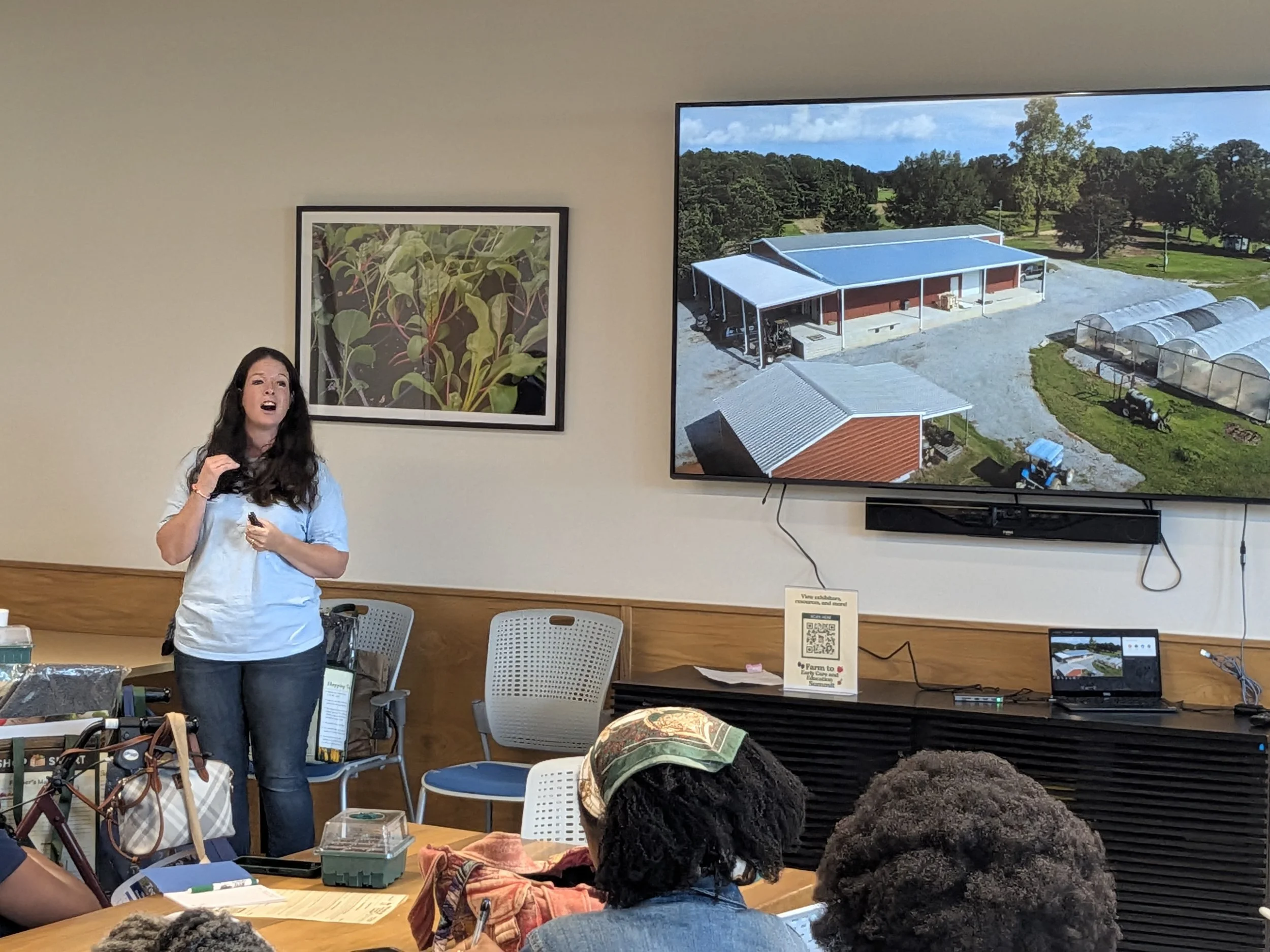
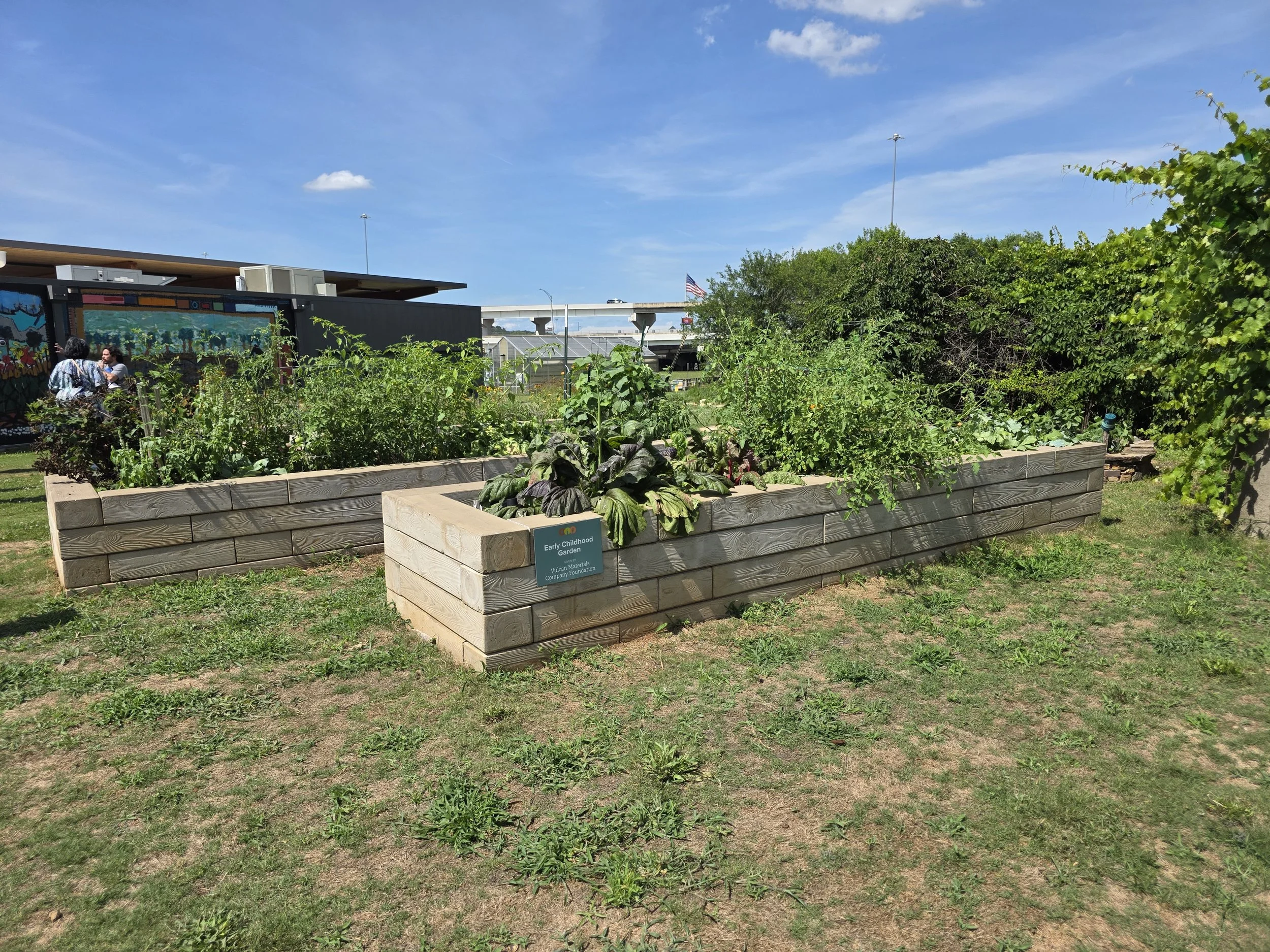
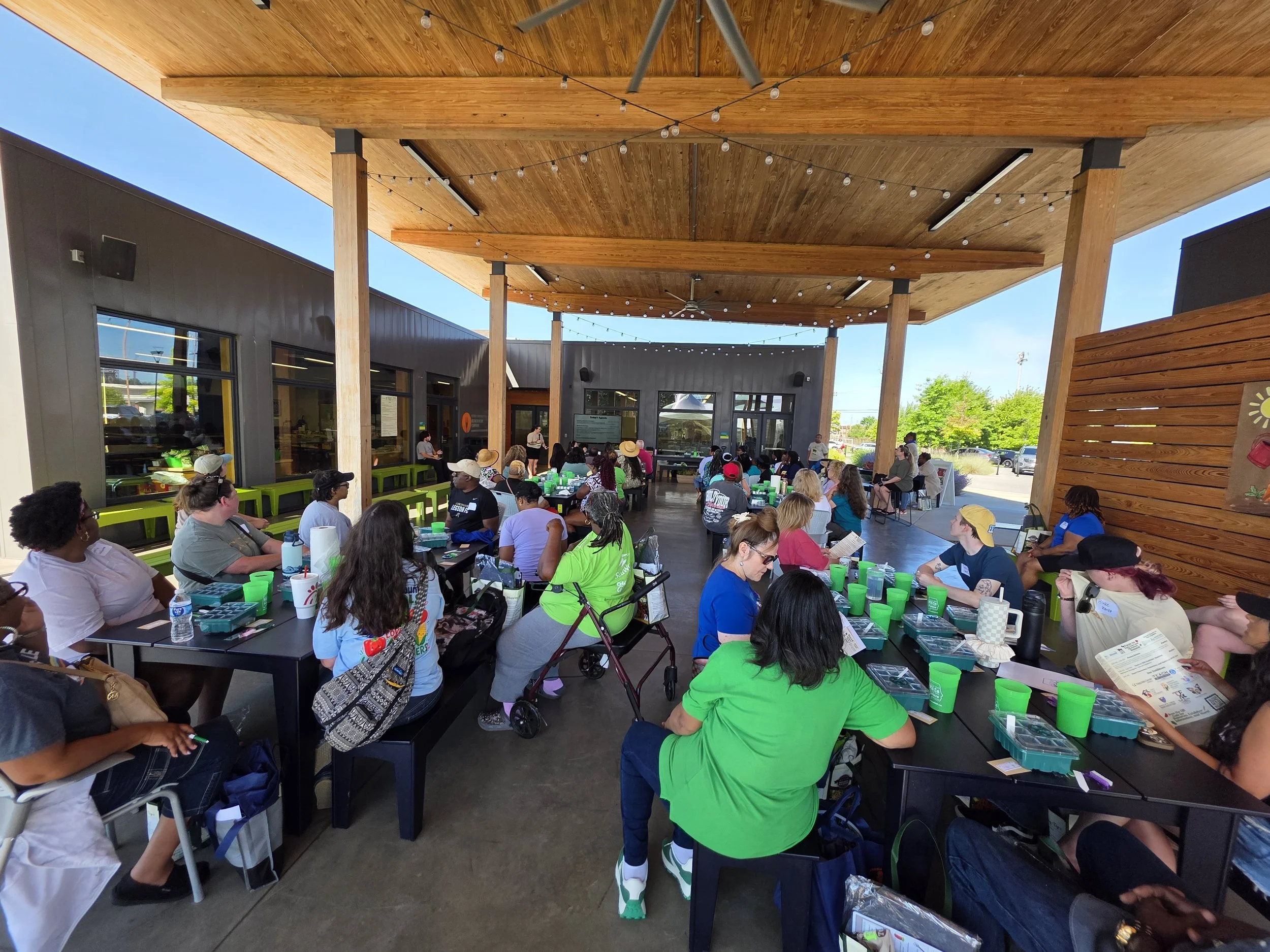

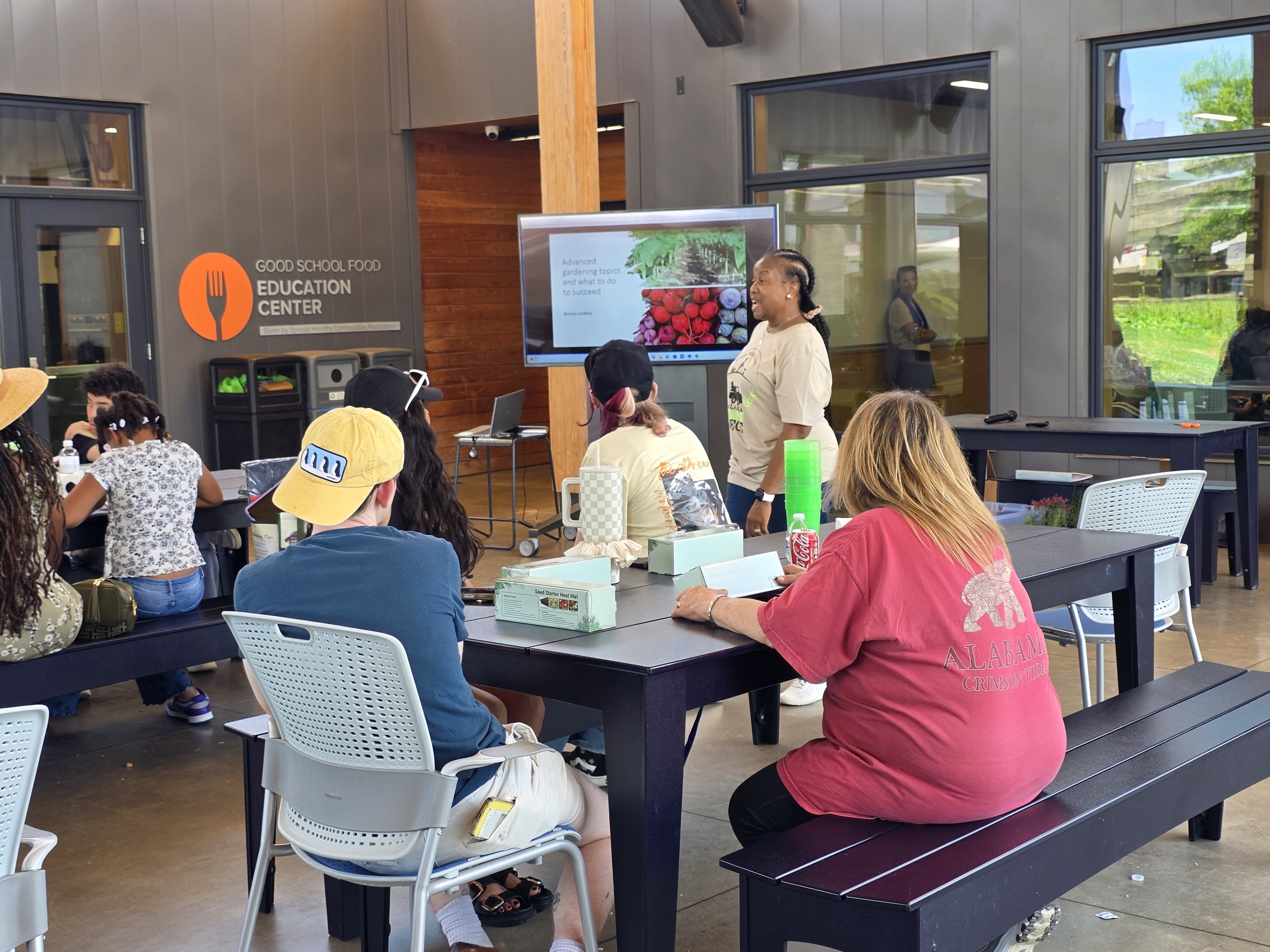
Garden Educator Bionca Lindsey providing her gardening expertise in her breakout session, Advanced Gardening in ECE Programs.
Learning Through Hands-On Experiences
The day began with the opening keynote, Sowing the Seeds for Farm to Early Care and Education, led by Bionca Lindsey, Garden Educator, and Emily Campbell of the Alabama Partnership for Children. The keynote highlighted the importance of early exposure to gardening, nutrition education, and local food systems while encouraging participants to envision how Farm to ECE can grow within their own programs.
Throughout the day, attendees selected from a variety of breakout sessions that showcased successful Farm to ECE practices from across Alabama. Topics included engaging children through cooking and food preparation experiences, advanced gardening strategies for early childhood settings, building community partnerships through Farm to ECE, developmentally appropriate cooking activities for young children, farm-based learning opportunities, local food systems education, and community-supported agriculture partnerships.
Sessions were intentionally designed to move beyond theory and provide participants with practical, classroom-ready strategies. Attendees left with activities, lesson ideas, implementation tools, and resources that could be immediately adapted for classrooms, family child care homes, and community-based programs. Presenters shared hands-on gardening activities, nutrition education experiences, cooking demonstrations, outdoor learning opportunities, and family engagement strategies that support Farm to ECE implementation regardless of program size or available resources.
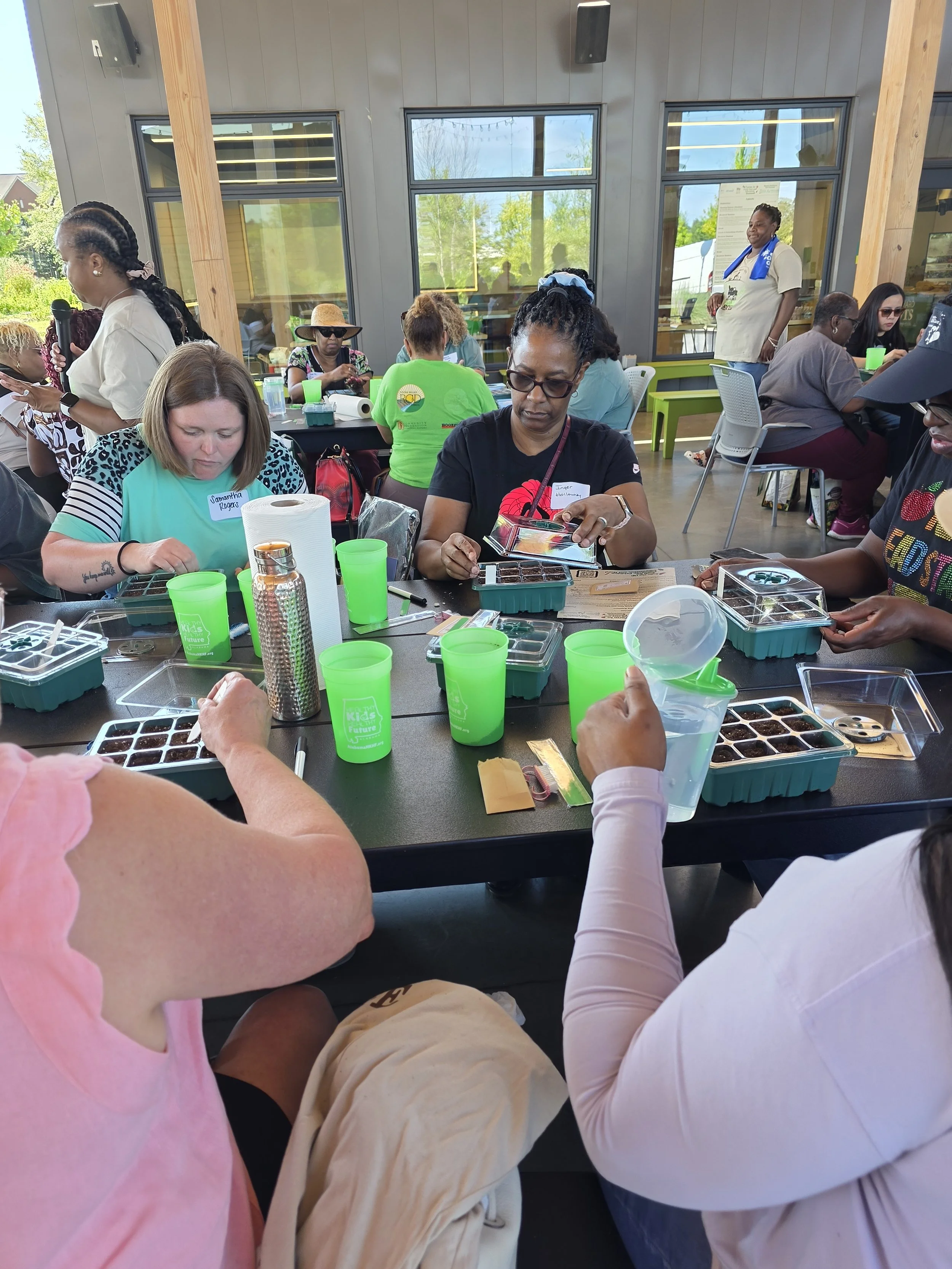
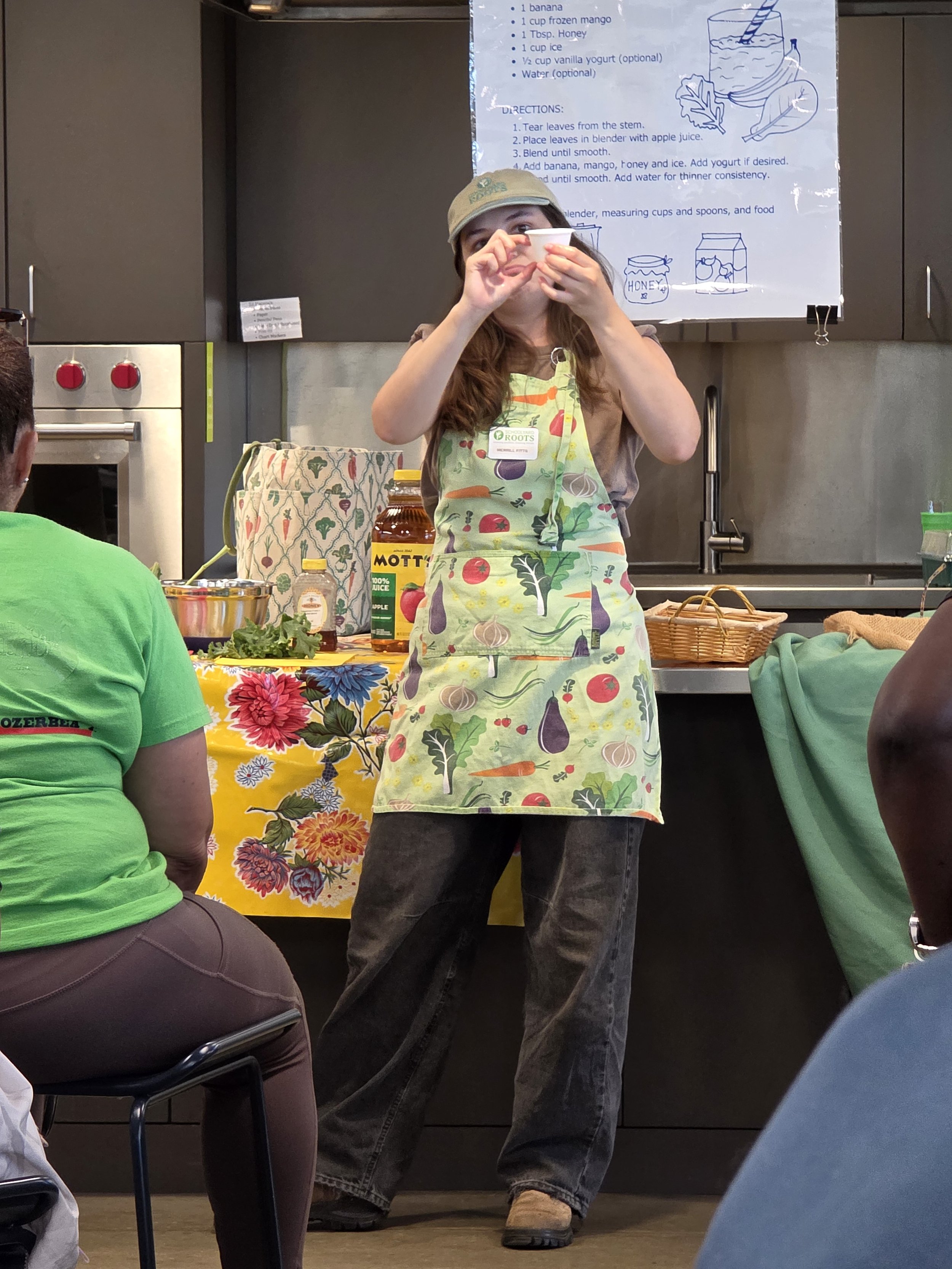
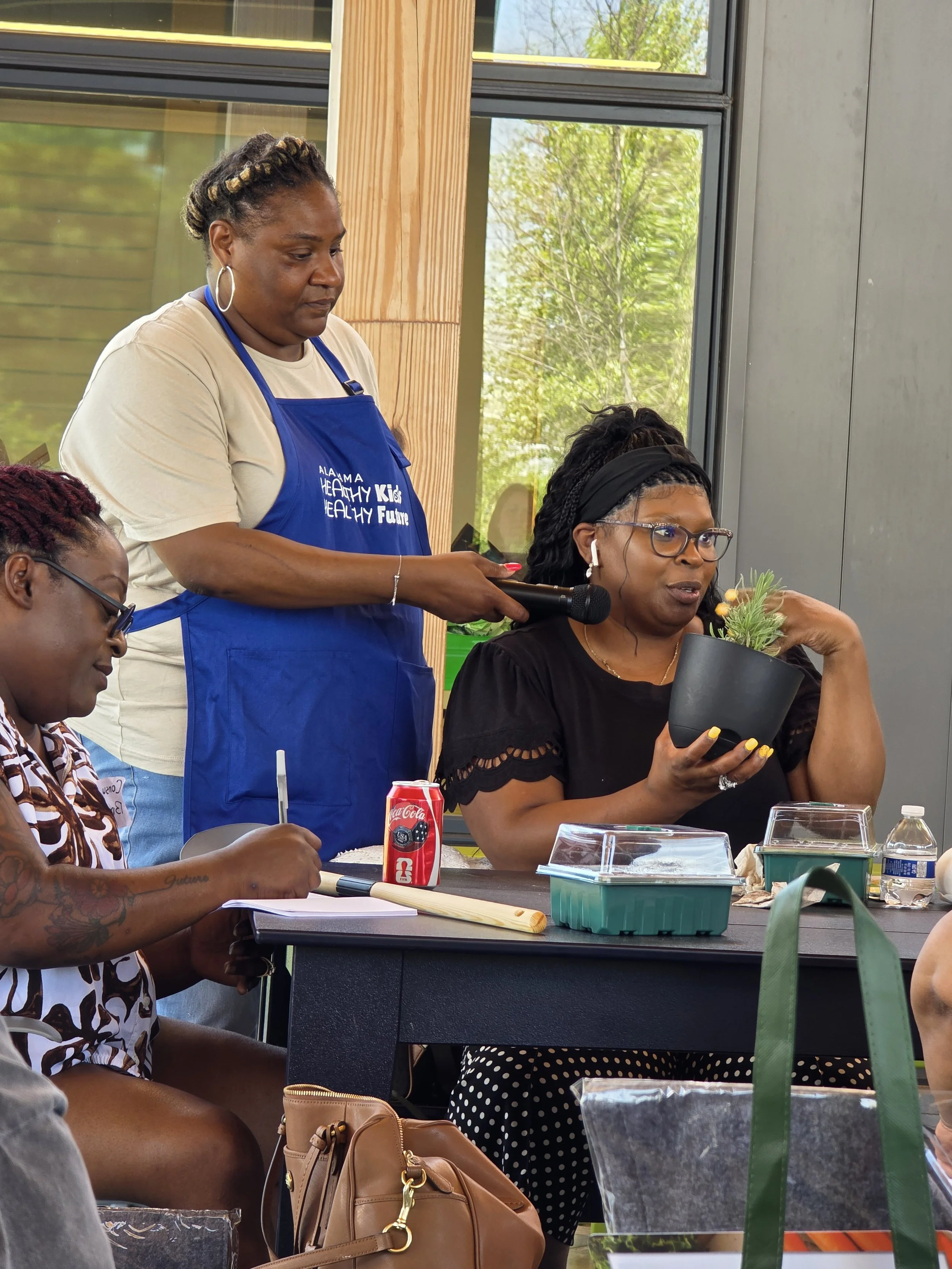
Learning by Doing
A highlight of the summit was the opportunity for participants to engage in the same hands-on experiences that make Farm to ECE meaningful for young children.
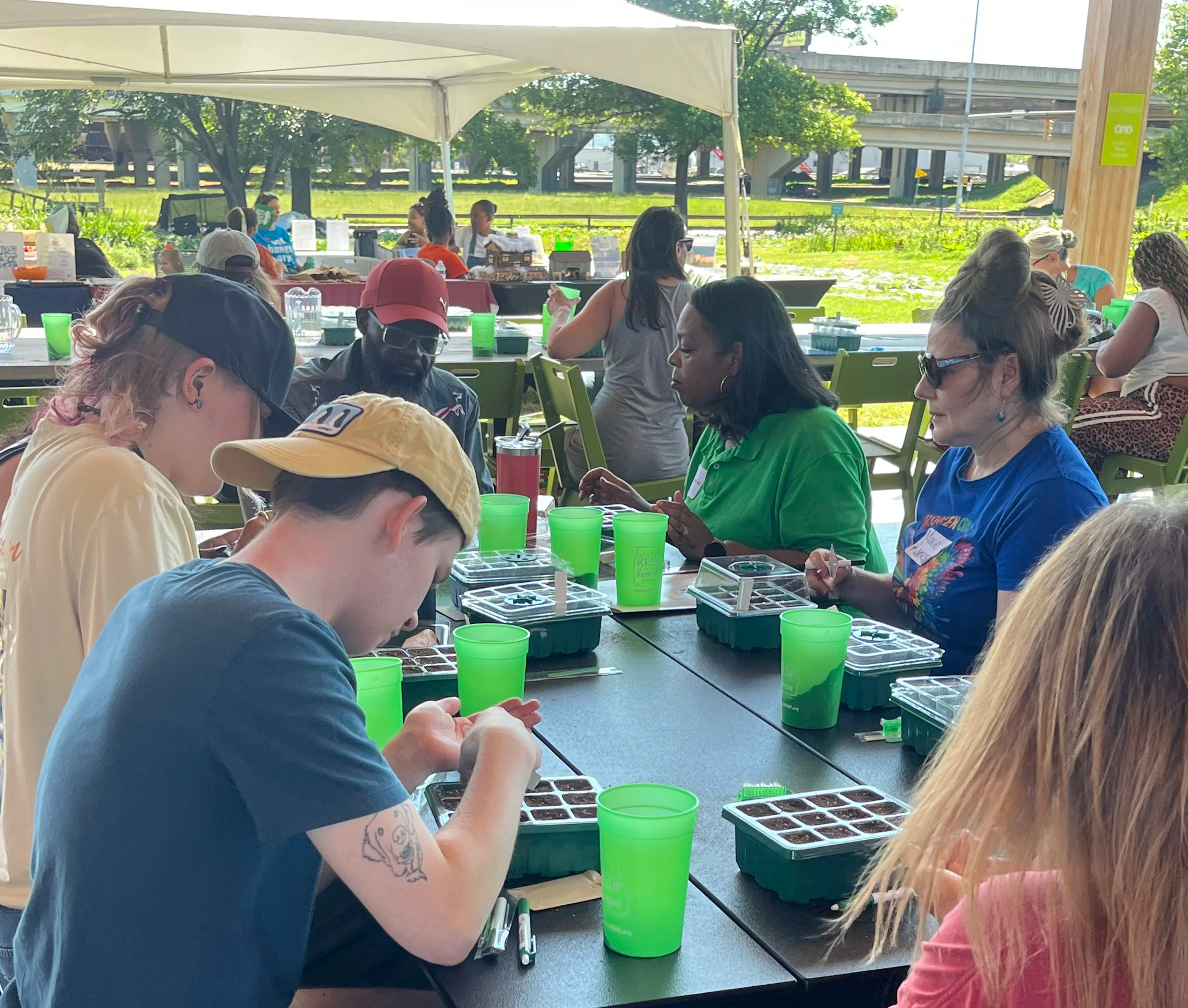
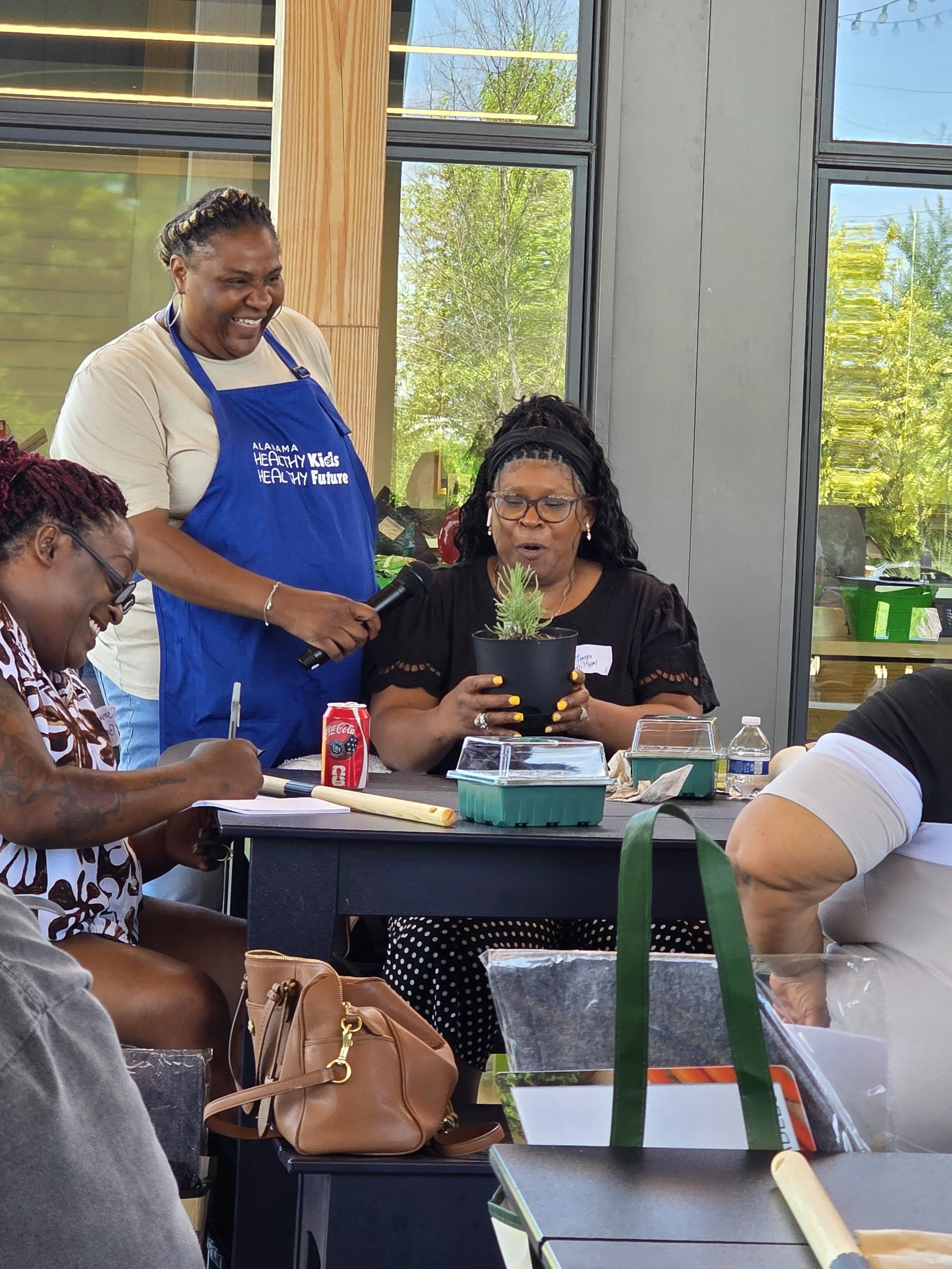
During gardening-focused sessions, participants learned seed-starting techniques and planted seeds alongside Garden Educator Bionca Lindsey. Attendees explored practical gardening strategies while gaining confidence in introducing planting activities to young children and creating successful garden experiences within their own programs. By participating in the activity themselves, educators gained practical experience they could immediately replicate with children.
In a nutrition education session led by Schoolyard Roots, participants prepared and sampled green smoothies while discussing strategies for engaging children in healthy food exploration. The session demonstrated how simple cooking experiences and taste tests can encourage curiosity, increase willingness to try new foods, and support healthy eating habits in early childhood settings.
Participants also explored Alabama agriculture through an interactive watermelon session that highlighted fun watermelon facts, nutrition benefits, and connections to local food systems. Attendees enjoyed a watermelon taste test while learning engaging ways to incorporate agricultural education into classroom experiences and spark conversations about where food comes from.
Another featured session, led by Alicia Jordan of Taste of the Farm, focused on practical ways educators can integrate agricultural education into experiences they are already providing. Rather than viewing Farm to ECE as "one more thing" to add to an educator's day, participants explored how farming, local food, and agriculture concepts can be seamlessly woven into existing lesson plans, literacy activities, science explorations, math concepts, sensory experiences, and family engagement opportunities. The session provided concrete examples that demonstrated how Farm to ECE can enhance current teaching practices while supporting learning standards and developmental goals.
These interactive experiences allowed participants to experience Farm to ECE through the eyes of a child—planting, tasting, exploring, and learning through hands-on discovery. By actively participating in the activities themselves, educators left with greater confidence and practical ideas for recreating similar experiences in their own programs.
Throughout the summit, presenters intentionally modeled developmentally appropriate activities that support nutrition education, gardening, sensory exploration, STEM learning, agricultural literacy, and healthy eating habits. Participants left with ready-to-use activities and lesson ideas that can be implemented immediately to help children develop positive relationships with healthy foods, local agriculture, and nature.
Equipping Participants for Immediate Action
A key component of the summit was ensuring participants left with both knowledge and tangible resources to support implementation.
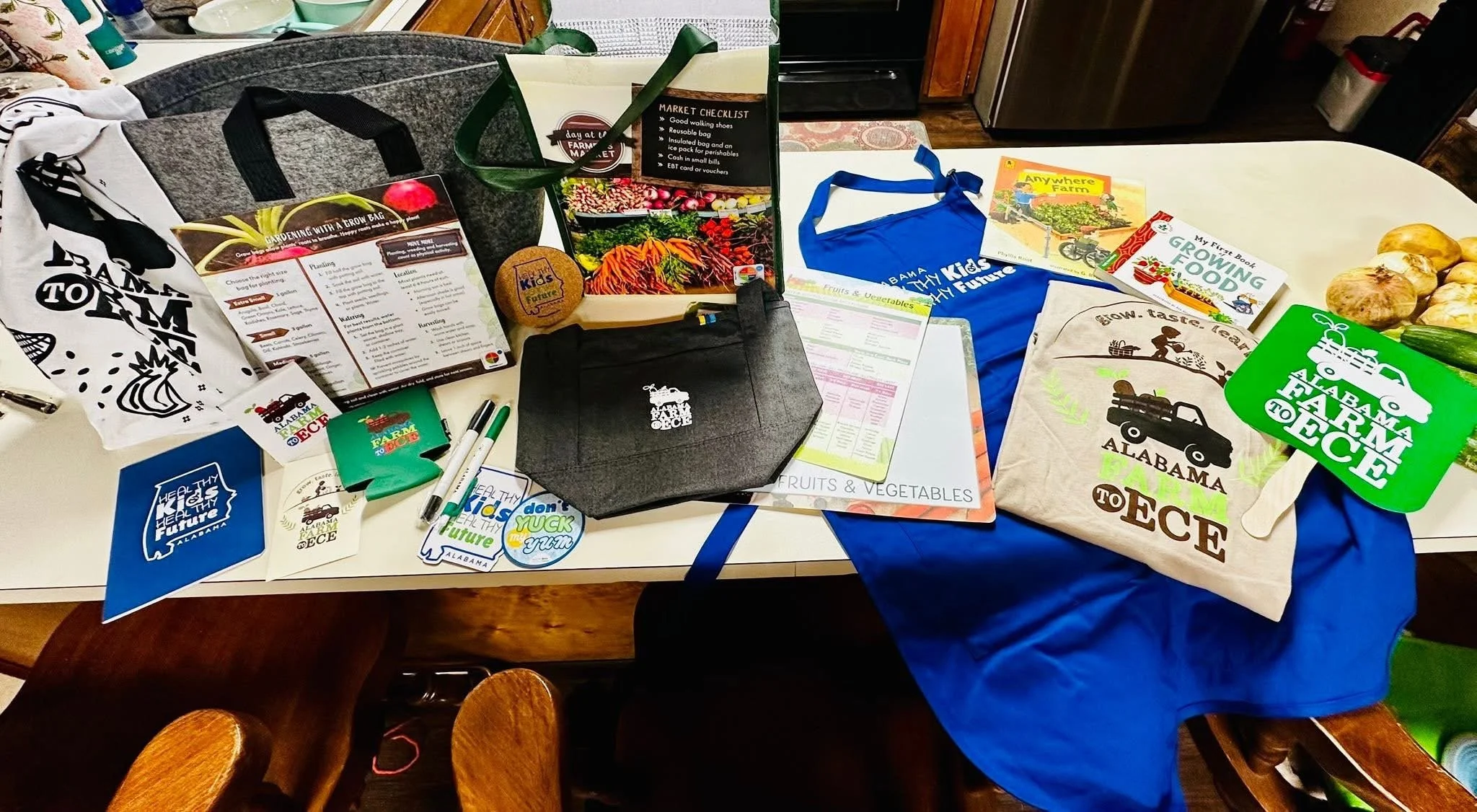
Throughout the event, attendees received Farm to ECE resources, educational materials, and ideas designed to strengthen gardening, nutrition, and local food efforts within their programs. Participants had opportunities to explore resources from exhibitors and partners while networking with organizations dedicated to supporting healthy environments for young children.
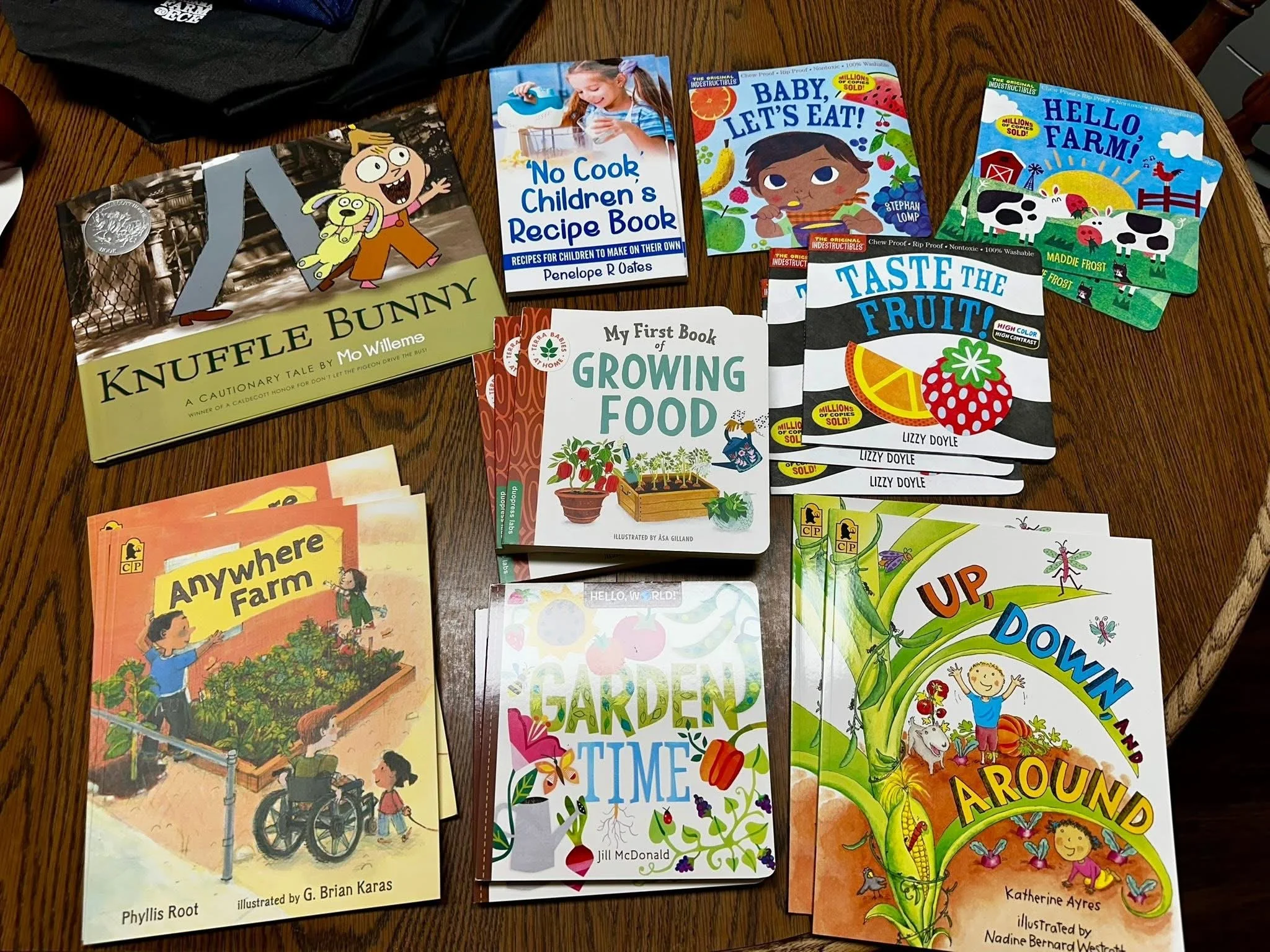
In addition, the summit featured numerous giveaways and door prizes that provided direct support for Farm to ECE implementation. Items distributed included:
Children's gardening and food education books
Nutrition education resources
Garden tools and equipment
Raised garden beds
Seeds, seed starting trays, and other planting tools
Sensory gardening containers
Gardening supplies and starter materials
Educational resources for classroom and outdoor learning
These resources help address one of the most frequently reported barriers to implementation—limited funding and access to materials—while increasing the likelihood that participants can immediately apply what they learned upon returning to their programs.
By pairing professional development with hands-on resources and implementation support, the summit empowered participants to leave not only inspired, but equipped with the tools needed to create meaningful Farm to ECE experiences for children and families.
Building Connections Across Alabama
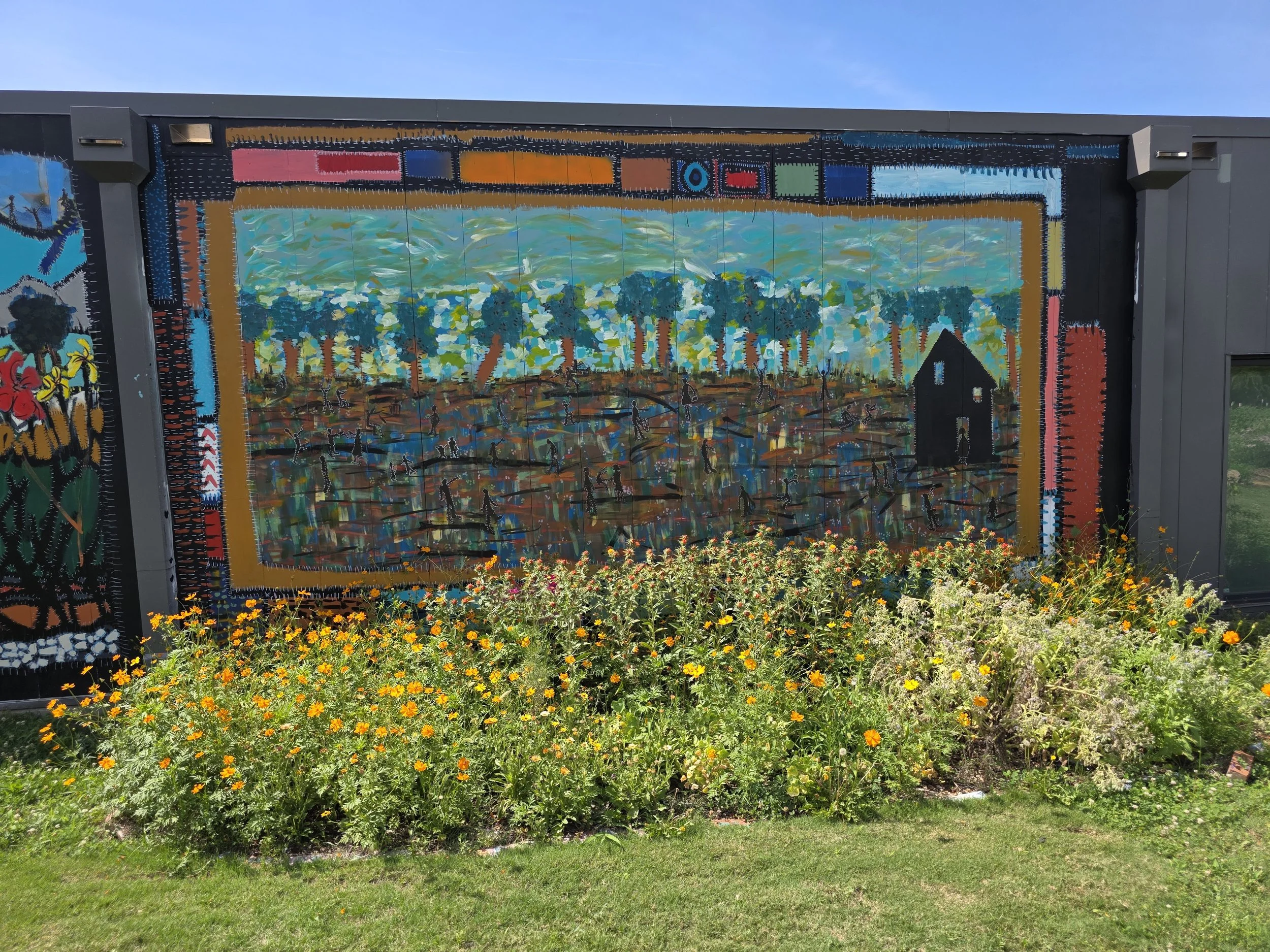
In addition to educational sessions, participants enjoyed networking opportunities, visited vendor and exhibitor booths, and connected with organizations supporting Farm to ECE implementation across Alabama. Educators exchanged ideas, shared successes and challenges, and developed new partnerships that will continue to strengthen Farm to ECE efforts statewide.
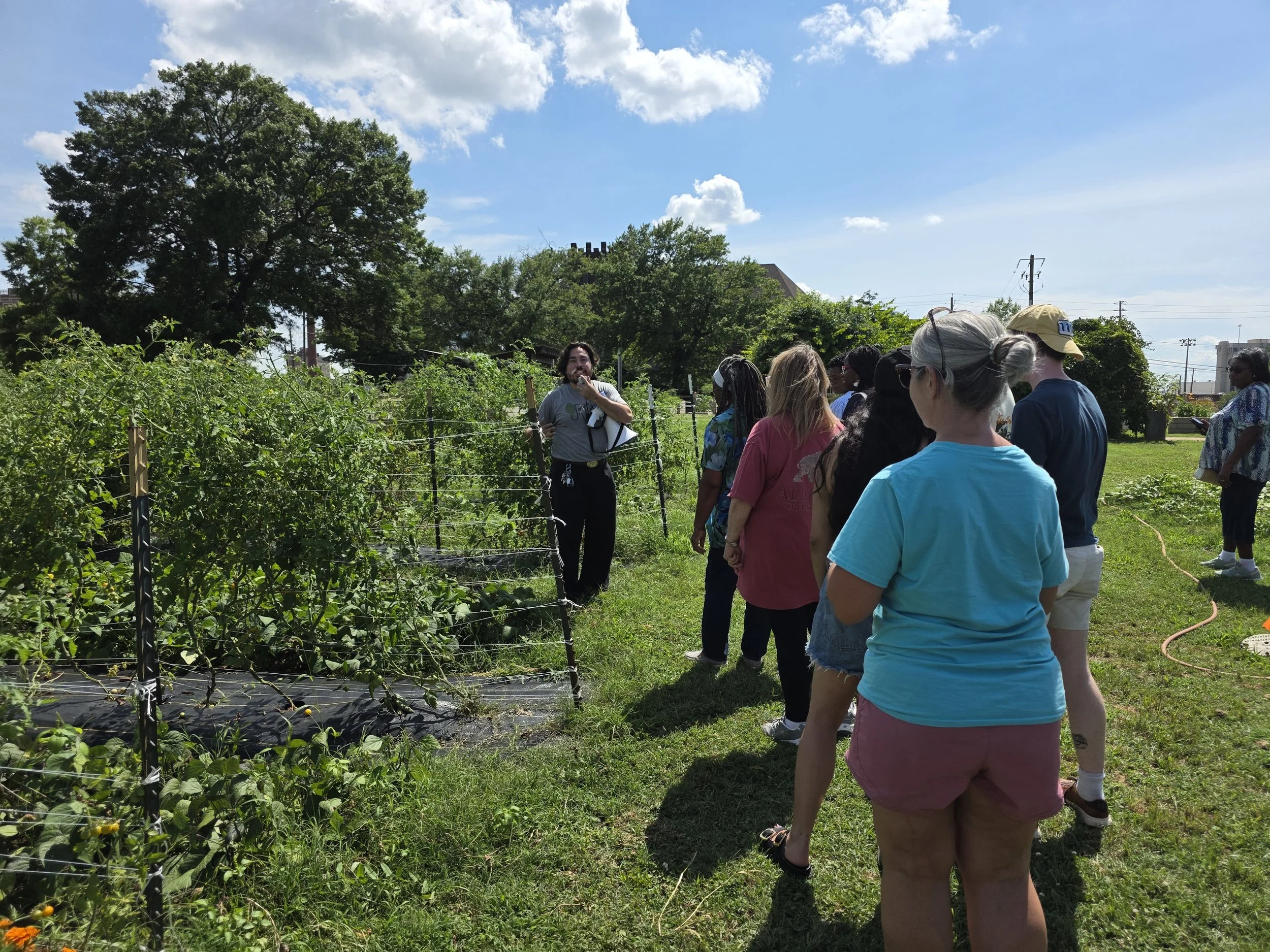
Many participants also participated in an optional guided tour of Jones Valley Teaching Farm following the summit. During the tour, attendees learned more about the farm's innovative approach to food education, community engagement, and urban agriculture. Participants explored the growing spaces, gained insight into the farm's community garden initiatives, and learned how locally grown produce is distributed throughout the community to increase access to fresh, healthy foods. The tour provided a powerful example of how agriculture, education, and community partnerships can work together to improve food access while creating meaningful learning opportunities for children and families. Attendees left with new ideas for connecting community resources, gardens, and local food systems within their own programs and communities.
Looking Toward the Future of Farm to ECE
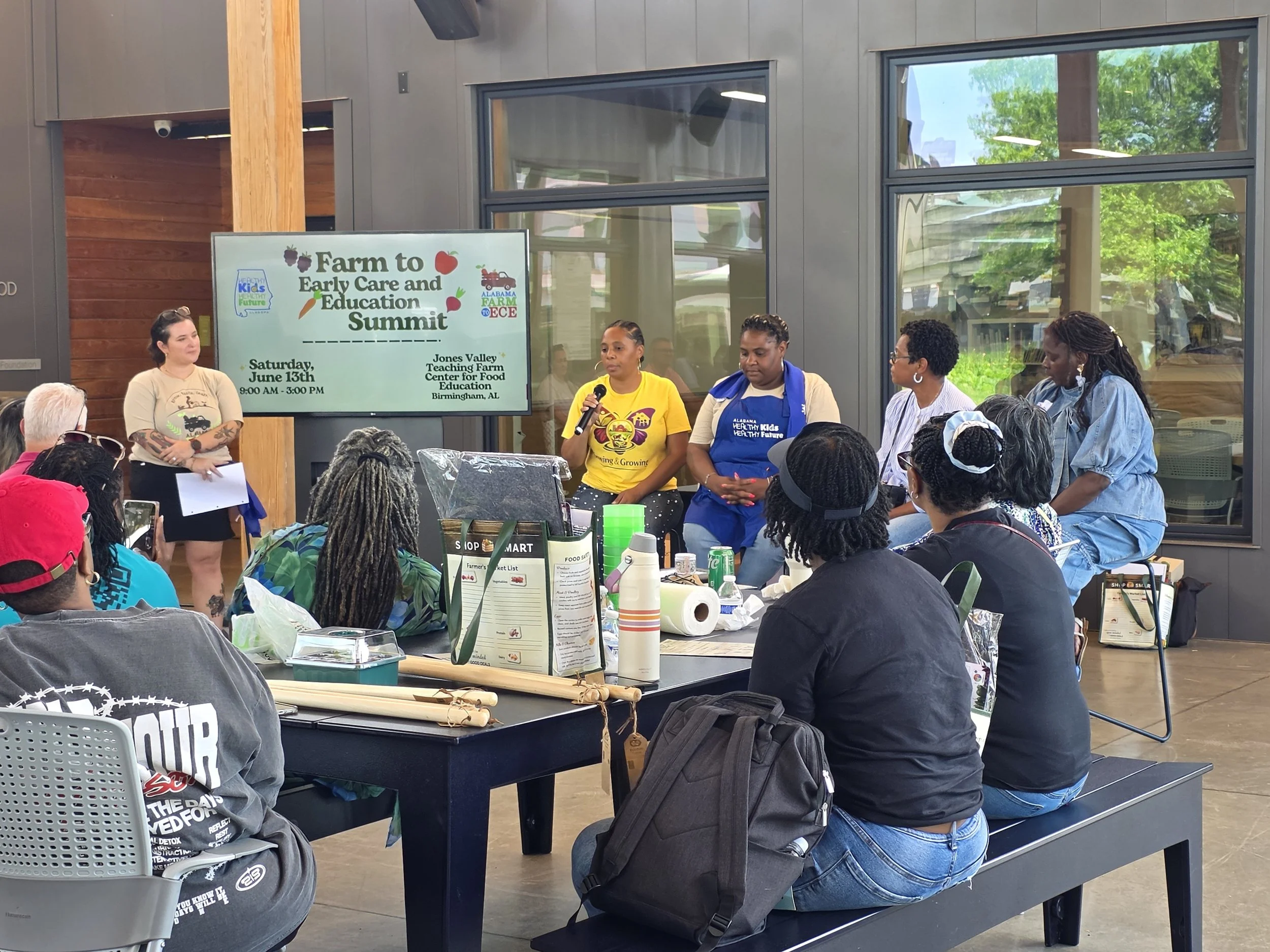
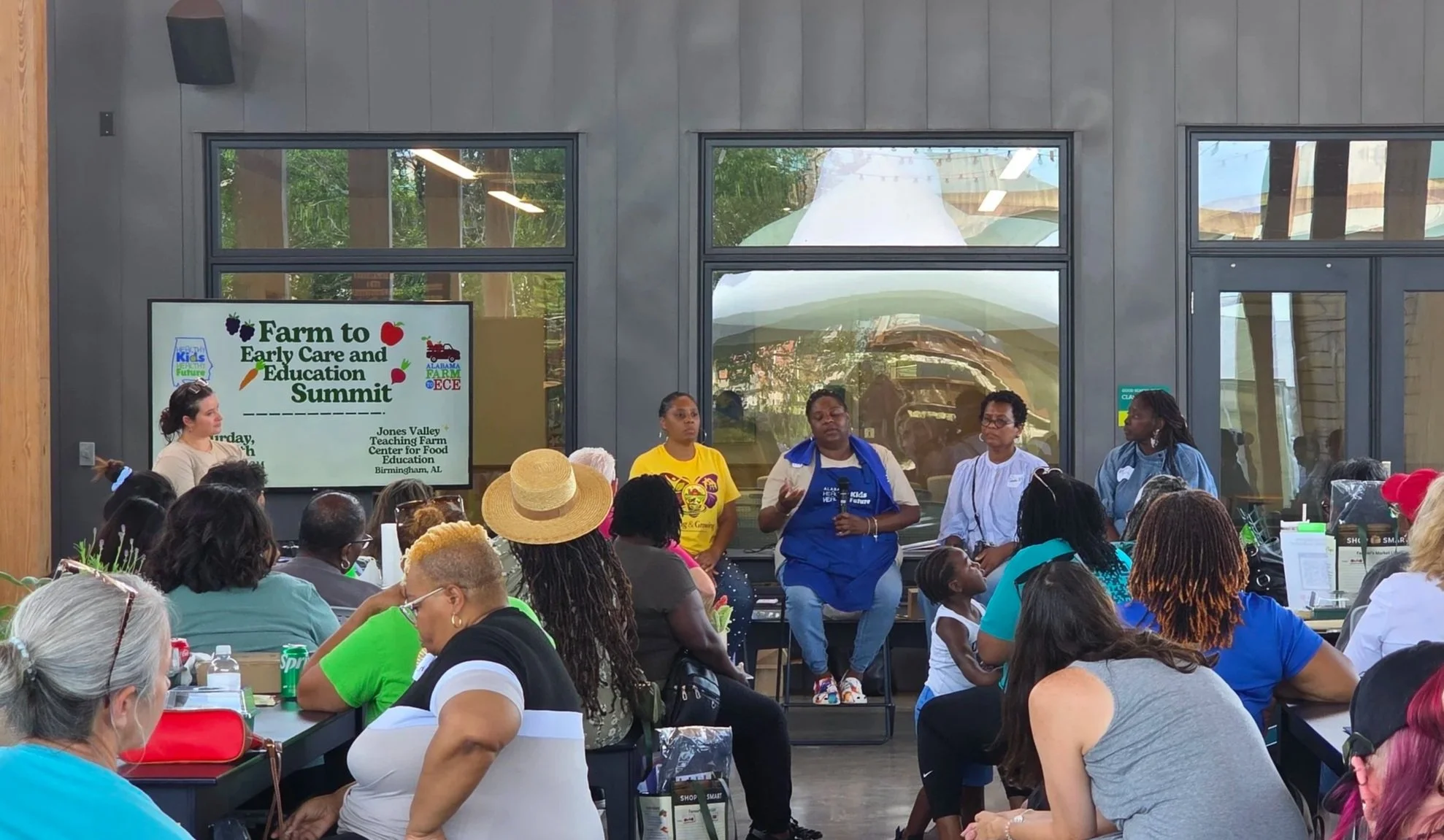
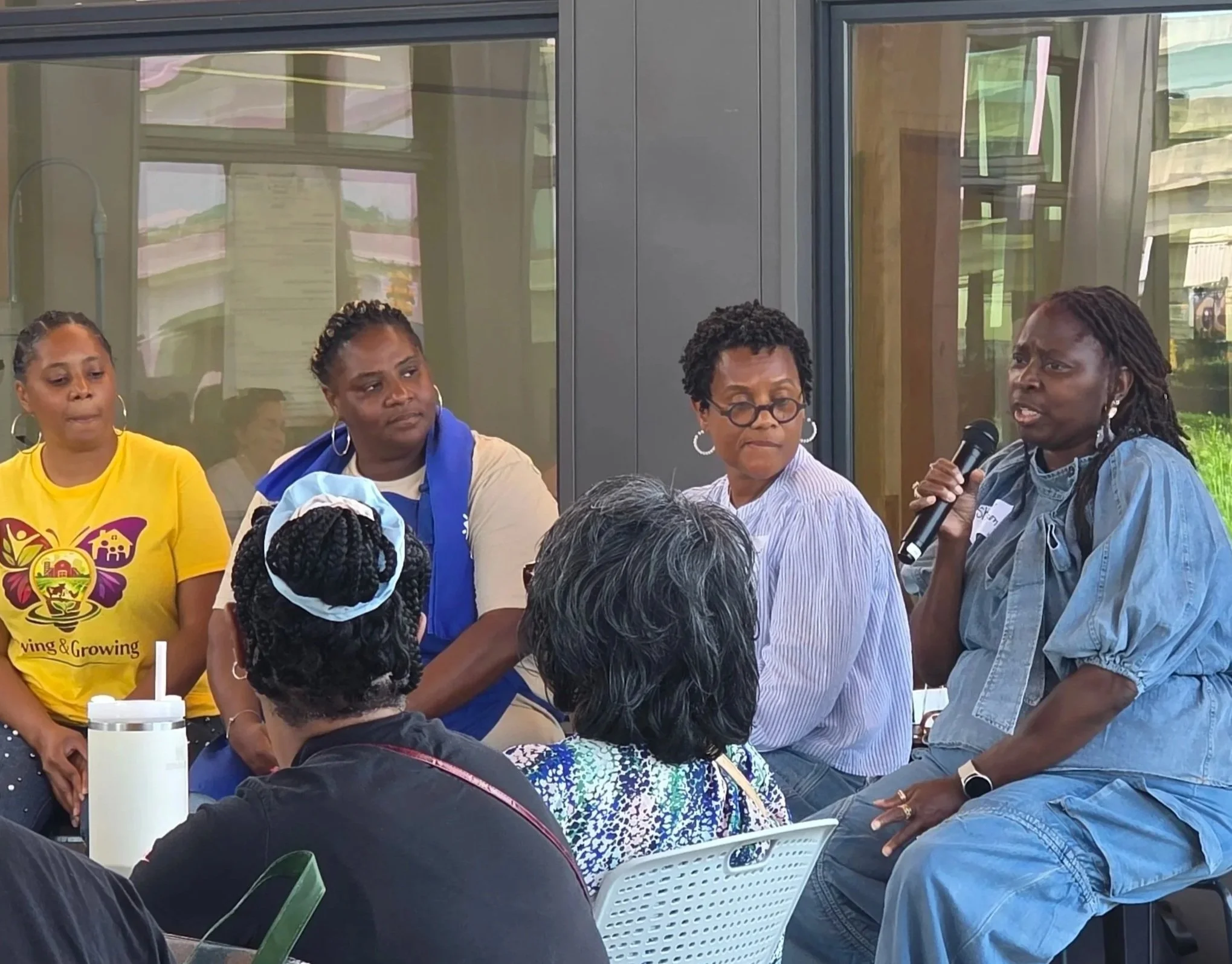
The summit concluded with a dynamic panel discussion featuring Farm to ECE leaders in agriculture and education who addressed questions submitted by participants through a pre-event survey. The discussion provided an opportunity for attendees to engage directly with experts, seek solutions to implementation challenges, and learn from successful programs across the state.
Panelists explored topics including program sustainability, funding opportunities, community partnerships, local food procurement, educator support, and strategies for expanding Farm to ECE efforts in diverse early childhood settings.
The conversation also looked beyond individual programs to discuss the future of Farm to ECE in Alabama. Panelists emphasized the importance of continued advocacy, stronger partnerships, and increased legislative support to expand access to Farm to ECE opportunities statewide. Participants discussed the need for additional funding streams, policy support, and investments that would allow more early childhood programs to implement gardening, nutrition education, local food purchasing, and agricultural learning experiences.
The discussion reinforced a shared vision that Farm to ECE is not simply a program or initiative, but a long-term investment in children's health, education, local agriculture, and community well-being. Attendees left with a deeper understanding of both the opportunities and the collective action needed to continue growing Farm to ECE across Alabama.
As Alabama continues to build momentum around Farm to ECE, the summit served as a catalyst for collaboration and action, bringing together educators, farmers, advocates, and community leaders committed to ensuring all children have opportunities to learn, grow, and thrive through meaningful connections to food, farming, and the natural world.
Measurable Impact
Post-event survey data demonstrated significant growth in participant knowledge, confidence, and commitment to action.
Following the summit:
100% reported they were likely to implement or support Farm to ECE activities.
86% reported they were very likely to implement Farm to ECE practices in their program.
81% reported feeling very confident in providing nutrition education activities to young children.
93% reported being satisfied or very satisfied with the summit experience.
Knowledge gains were especially noteworthy. Prior to the summit, 41% of participants reported having strong or extensive knowledge of Farm to ECE concepts. Following the event, that number increased to 74%, representing a 79% increase in participant knowledge and readiness to implement Farm to ECE activities.
Participants identified gardening activities, cooking experiences, local food purchasing, outdoor learning opportunities, taste tests, and nutrition education lessons as the activities they plan to implement over the next three months.
Participant feedback reflected both inspiration and confidence gained through the summit experience. When asked about their biggest takeaways, participants shared:
"I thought it was complex to start growing, but I know I can do it now."
"Just seeing how I can implement this into our program and that it doesn't have to be hard."
These comments reflect the summit's greatest success—empowering educators with the confidence, knowledge, practical resources, and community connections needed to create meaningful Farm to ECE experiences for children.
Through the educators and programs represented at this year's summit, the information, resources, and partnerships developed on June 13 have the potential to positively impact more than 4,400 Alabama children through increased access to gardening, nutrition education, local foods, outdoor learning, and hands-on agricultural experiences.
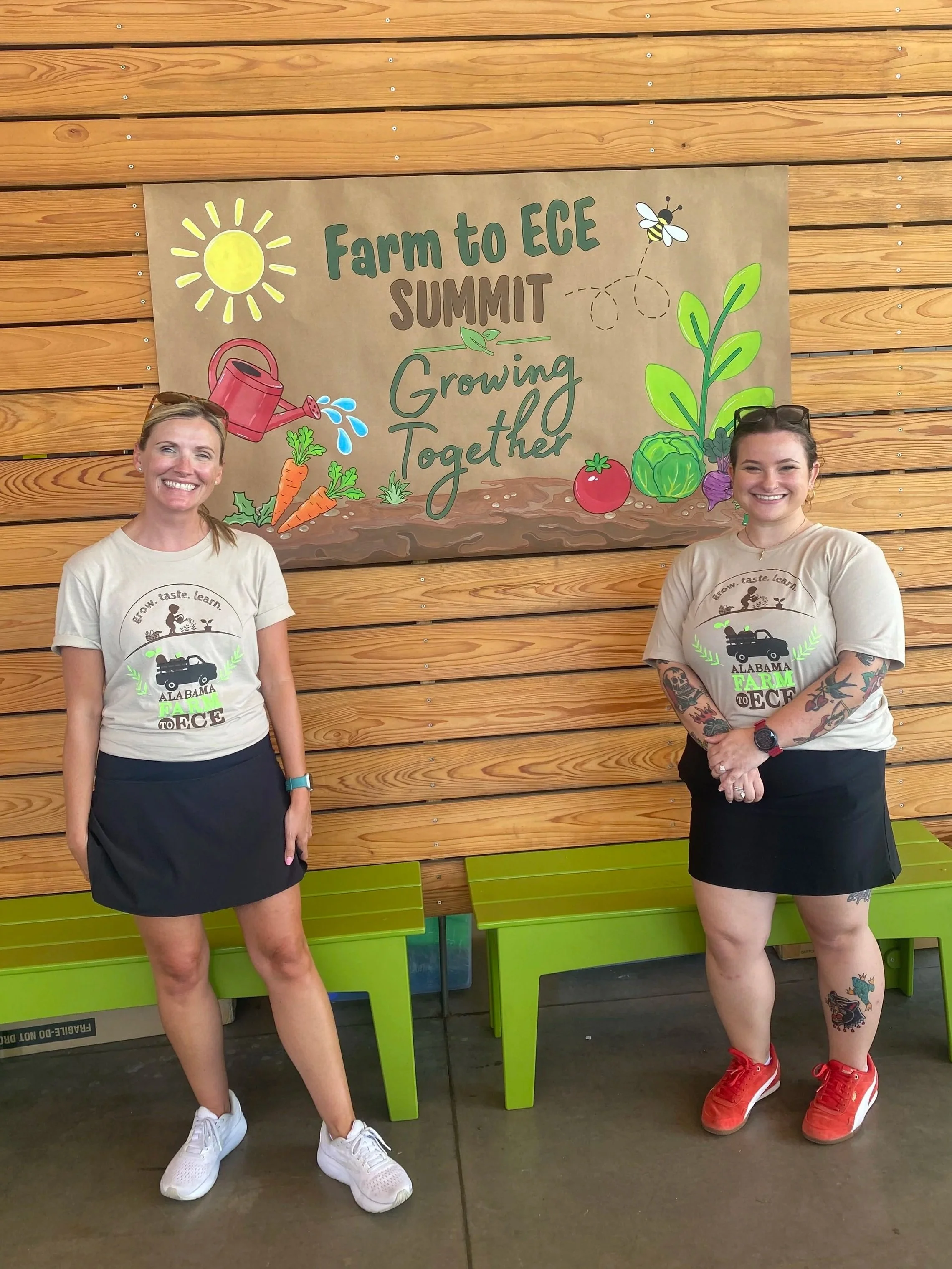

The 2026 Alabama Farm to ECE Summit demonstrates how strategic investments in educator training, resource distribution, and community partnerships can strengthen local food systems, increase nutrition education opportunities, and create long-lasting pathways for connecting young children with healthy foods and hands-on learning experiences.
Together, we are growing healthier children, stronger communities, and a more resilient food future for Alabama.
Nemours Children’s Healthy Kids, Healthy Future Technical Assistance Program is funded through a subaward agreement with the Association of State Public Health Nutritionists, the funding for which comes from the Division of Nutrition, Physical Activity and Obesity (DNPAO) in the National Center for Chronic Disease Prevention and Health Promotion (NCCDPHP) at the Centers for Disease Control and Prevention (CDC) of the U.S. Department of Health and Human Services (HHS) as part of a financial assistance award (cooperative agreement number 6 NU38PW000047-02) totaling $ 2,775,000, which funds several ASPHN and Nemours Children’s Health programs. This program is 100 percent funded by DNPAO/NCCDPHP/CDC/HHS. The contents are those of the author(s) and do not necessarily represent the official views of, nor an endorsement, by CDC/HHS, or the U.S. government. For more information visit https://www.cdc.gov/nccdphp/divisions-offices/about-the-division-of-nutrition-physical-activity-and-obesity.html.